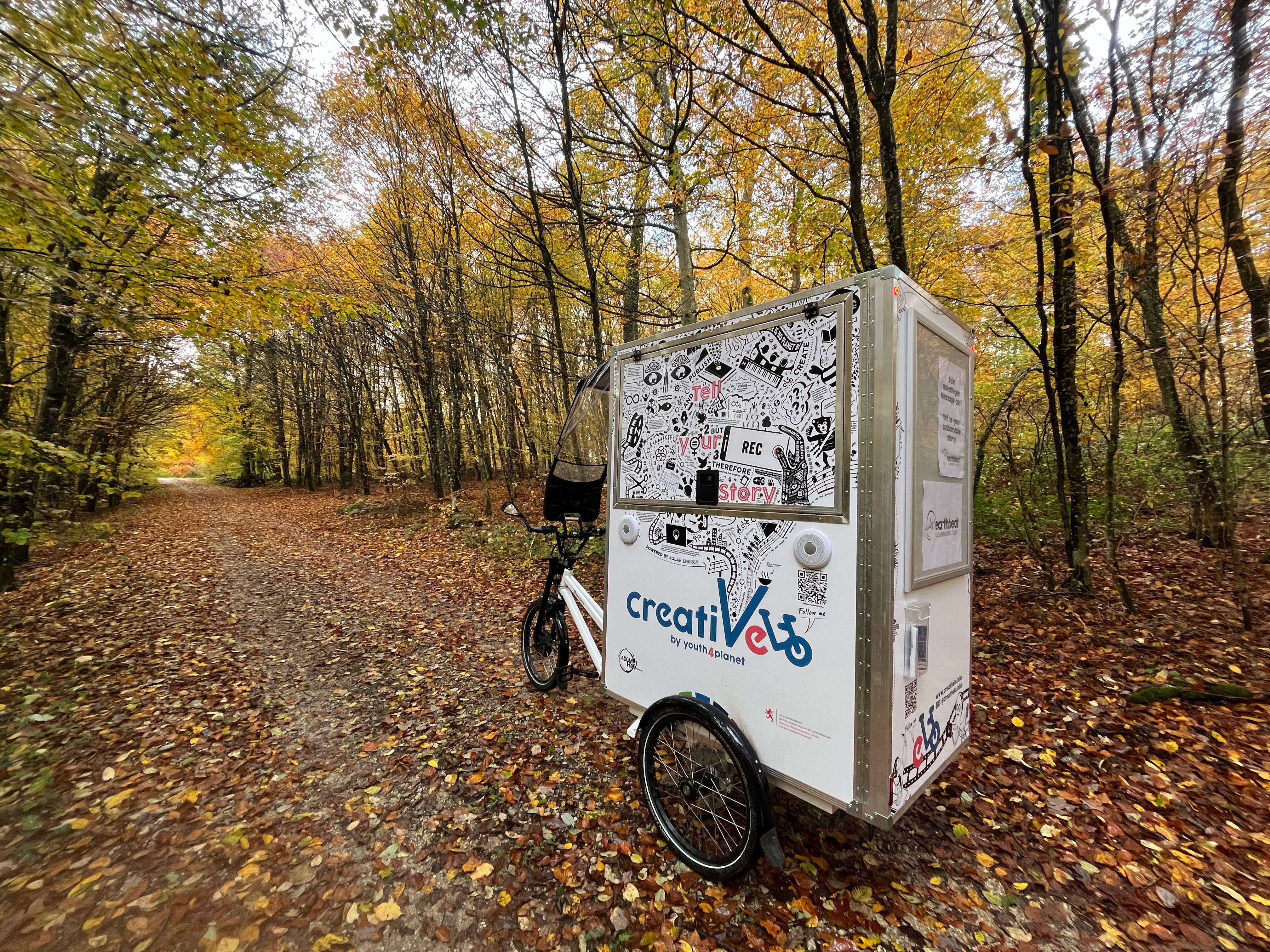

Last August, we had the immense privilege of speaking with and interviewing Hubert de Schorlemer. Hubert is a prominent figure in the forestry community. For twenty years, he served as the president of the Luxembourg Family Forest Association (Lëtzebuerger Privatbësch). Additionally, he held the position of president of the European Forest Owners Association (CEPF) for ten years and is currently the president of the International Family Forestry Alliance. But Mr. de Schorlemer isn’t just an influential figure in the forest NGO sector; he is also an agricultural engineer. Today, he is a farmer who breeds Angus cattle under the sustainable Naturschutzfleesch label and, of course, a forest owner.
In our chat with Hubert de Schorlemer, we discussed several compelling topics that we’d like to share with you in this blog post.
What is the Luxembourg Family Forest Association, and what does it do?
The Luxembourg Family Forest Association is a non-profit organization representing the interests of Luxembourg’s private forest owners and advocating for private property rights. It also provides assistance with professional and objective advice, supporting private forest owners in their common goal of sustainable forest management.
The European Forest Owners Association (CEPF) has a similar mission to the Lëtzebuerger Privatbësch but operates on a European level.
Who owns the forests?
A third of Luxembourg is covered by forests, and over half of these forests are privately owned. However, most private owners do not have large forest properties. These privately owned forests are often passed down through families and are rarely larger than 3 hectares. The remaining forests are mostly divided between Luxembourgish communes, which own a third of Luxembourg’s forests, and the Luxembourgish state, which owns about a tenth.
This means that the largest portion of Luxembourg’s forests is privately owned, making private owners essential to forest preservation.
What are the benefits of being a private forest owner?
If you follow the news, you might get the impression that being a private forest owner is challenging. Climate change is causing more droughts, and extreme weather events are becoming more common. The bark beetle, highly destructive to trees, is spreading, and many forests are in poor condition. Additionally, small forests are often unprofitable and face numerous bureaucratic challenges.
Hubert emphasized that forests are a vital part of our lives and should be valued as such. Forests provide us with essential resources: clean air, clean soil, and clean water. But beyond these resources, the forest is also a social space (for relaxation and exercise) and an economic pillar (through wood production). When managed well, forests offer us a sustainable, comfortable, and safe life.

He also acknowledged the challenges, pointing out that for every challenge, there are solutions or pathways to solutions. For instance, forests can be adapted to become more resilient to climate change. The Luxembourg Family Forest Association is doing its best to assist private forest owners with bureaucratic issues, and owners can group their forests with others to achieve small profits.
To return to the question: most private forest owners manage their forests with pleasure; some aim for modest profits, while others focus on biodiversity. The majority, however, practice sustainable forest management. Connecting with nature in the forest is a significant motivation, and it’s important to remember the value of nature.
What’s the state of the forest?
Many private forest owners strive to maintain sustainable forests. Unfortunately, in Luxembourg, only about 15% of forests are in healthy condition, while over half are in poor condition. If we don’t protect our forests, halt deforestation, and tackle climate change, our ecosystems may collapse.
One of our foundations of life—the forest—is in a precarious state and needs our help. Ignoring the forest means working against ourselves.
Hubert added that nature will always find a new pathway, even with climate change, after a certain time. But if we reach the so-called point of no return, nature might not adapt in ways beneficial to us.
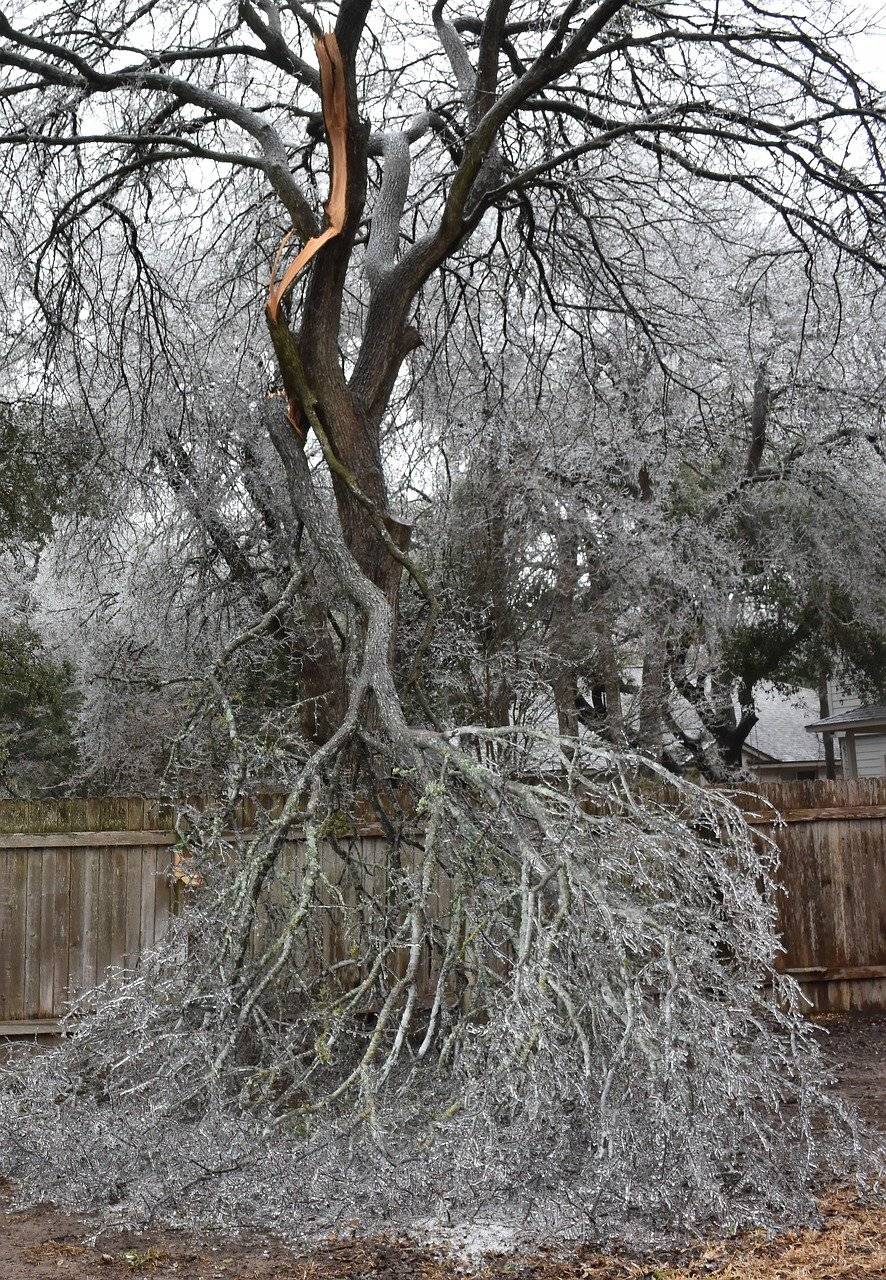
We need to engage society!
At Youth4Planet, we’re asking ourselves if the forest is sufficiently integrated into our education. We’ve noticed that some people even fear walking in the forest. But how can we protect something we fear? How can we value a foundation of life if we aren’t connected to it in our daily lives?
Forest owners and foresters cannot save our forests alone. They need our help, and we need to care for our forests. Forests should be central in our lives. We must be educated about the forest, be aware of its importance, and take action. And this commitment must be long-term, as forests require generational thinking.
Call to action!
So, what can you do to help the forest? Hubert suggests that if you want to contribute actively, offer help to a forest owner—be open to new experiences. Or consider participating in the “Waldführerschein”, a course about forests provided by the Luxembourg Family Forest Association.
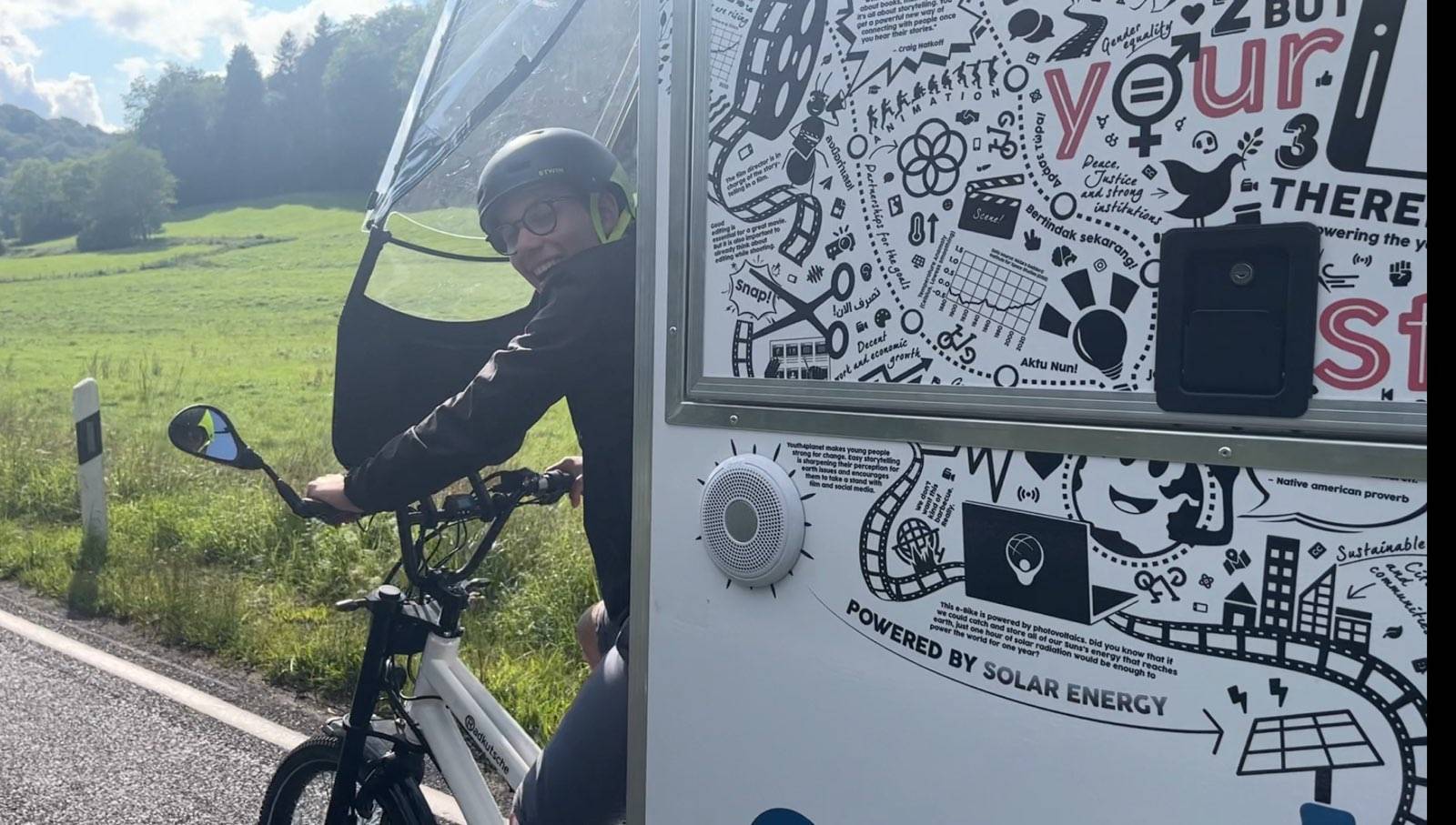
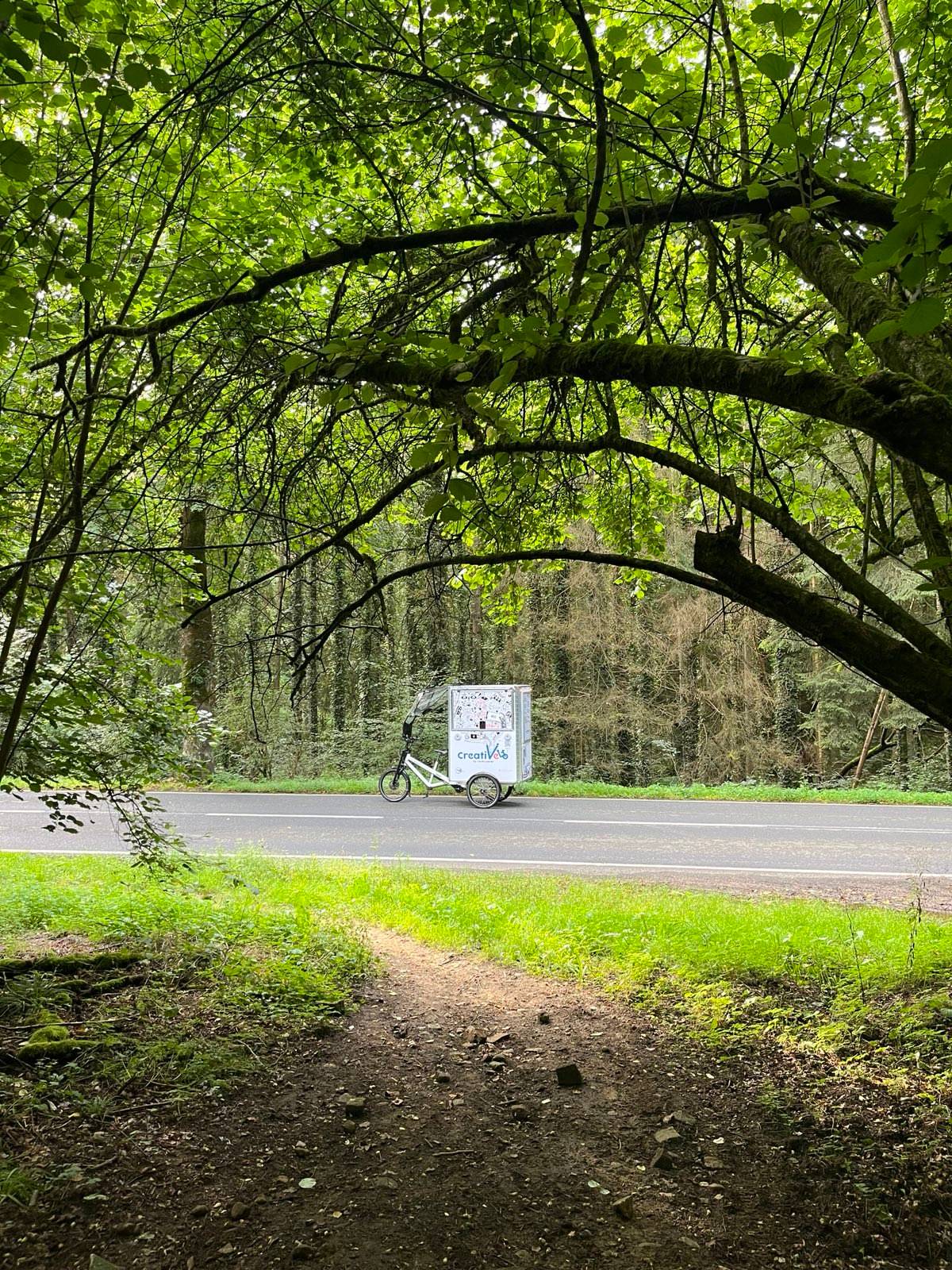
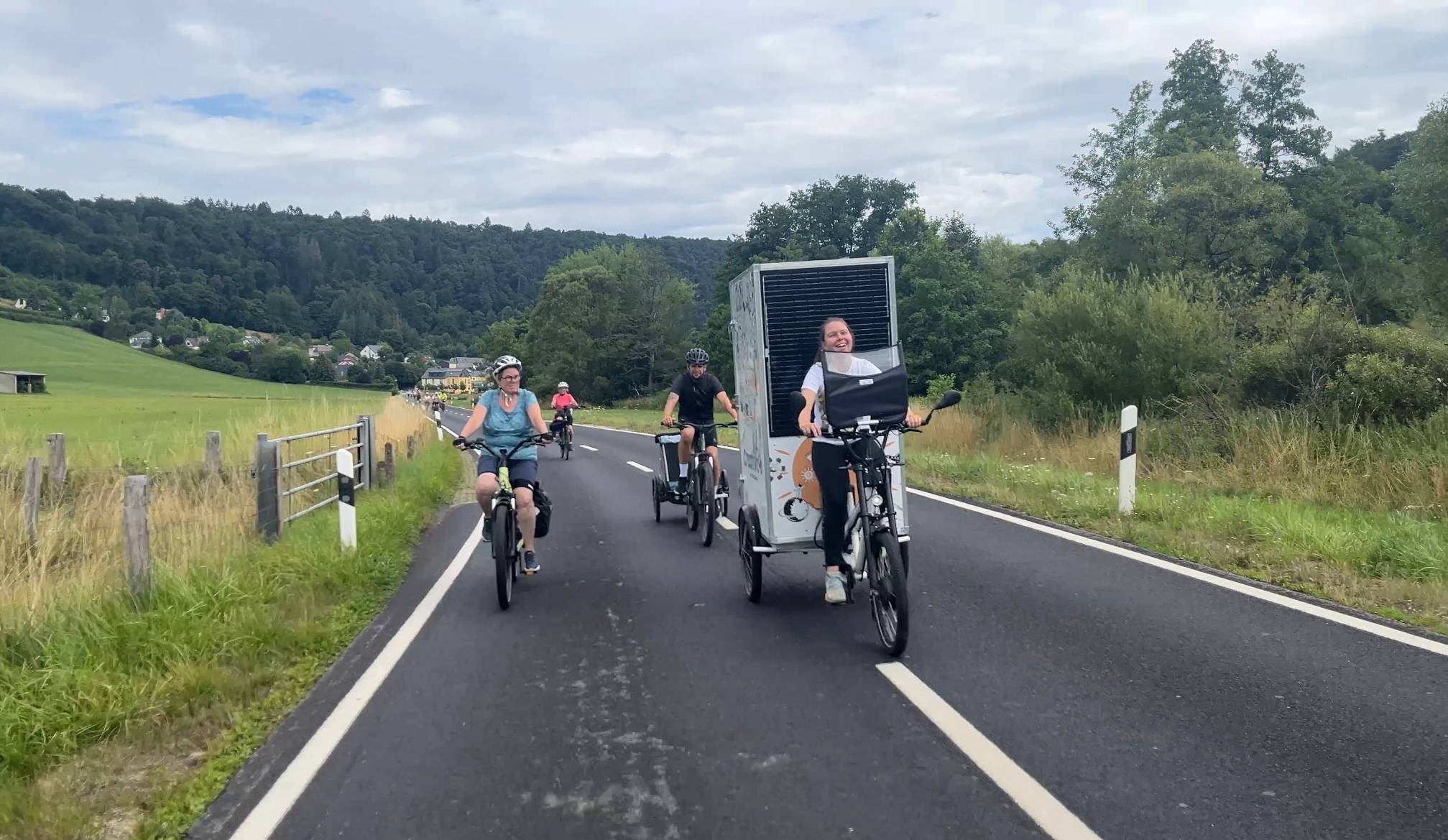
At Youth4Planet, we also recognize the need to take action. Perhaps we could organize film workshops with forest institutions or dedicate a CreatiVelo to forest education and awareness. We will keep you updated.

1 comment
Holler Margitta
Thank you for that insight. Very interesting!